
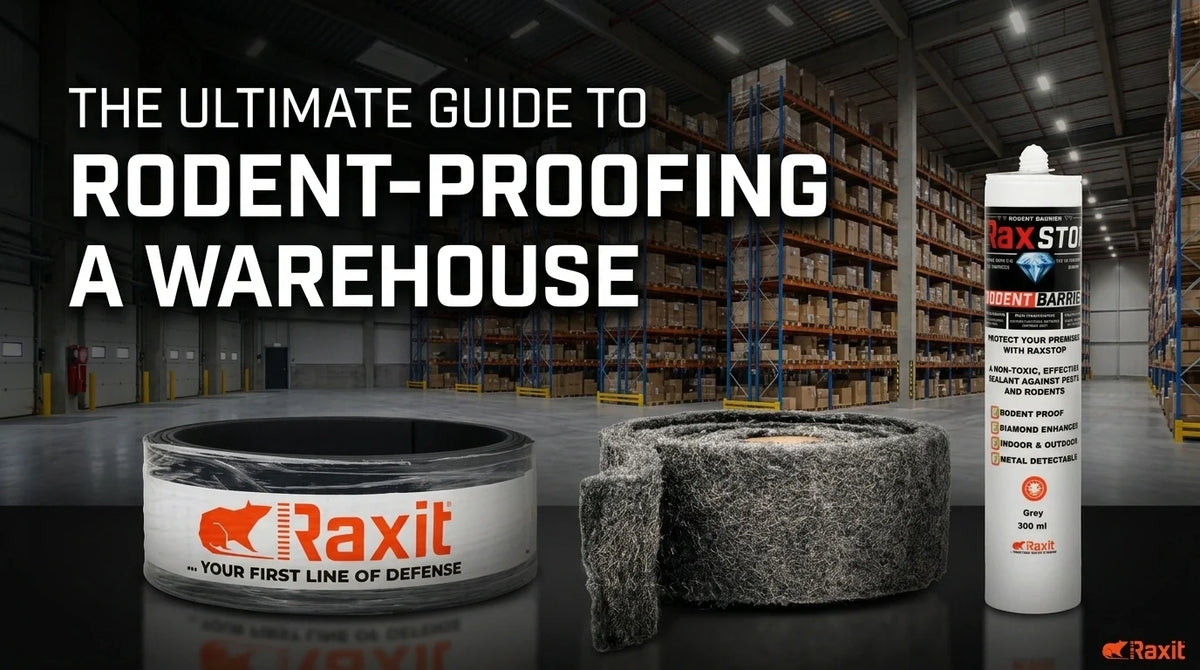
Rodent-proofing a warehouse involves sealing entry points, securing doors, maintaining clean storage areas, and inspecting the building regularly. For commercial facilities, warehouse rodent prevention is important for protecting stored goods, maintaining hygiene, and reducing the risk of recurring infestations.
What Are the Most Common Ways Rodents Enter a Warehouse?
Can rats and mice enter through warehouse doors?
Yes. Gaps beneath roller shutters, sectional doors, and loading bay doors can allow rodents to enter, especially when doors are damaged or floors are uneven. Installing suitable rodent proof door seals can help close these gaps and create a physical barrier against rats and mice.
How do rodents enter through walls and service openings?
Rats and mice can enter through cracks in walls, gaps around pipes, and openings for electrical cables. Inspect these areas regularly and seal suitable openings with appropriate materials. For larger industrial sites, targeted repairs can help reduce access points without disrupting daily operations.
Can poor warehouse storage attract rodents?
Yes. Spilled food, damaged packaging, waste, and clutter can provide rodents with food and shelter. Keep stock organised, clean spills promptly, store materials off the floor where practical, and use suitable waste containers. Regular cleaning also makes it easier to spot droppings, gnaw marks, and other signs of rodent activity.
How Can You Prevent Rats and Mice from Entering a Warehouse?
What type of door seal is best for a warehouse?
The right seal depends on the door type, gap size, floor condition, and how frequently the entrance is used. A suitable warehouse door seal can help protect vulnerable areas beneath industrial doors. Facility managers should check that the selected solution is compatible with the door's movement and operating requirements.
How can steel wool help with rodent-proofing?
Rodents can squeeze through small openings and gnaw some common filling materials. Purpose-designed steel wool mice barriers can help block suitable gaps around building penetrations and other vulnerable areas. The material should be selected and installed according to the opening, surrounding surfaces, and site requirements.
Which sealant should you use to block rodent entry points?
A suitable rodent sealant can help seal certain cracks and openings that rodents may use to enter a warehouse. Before applying any sealant, check whether the gap requires a different barrier or repair. Larger openings and areas exposed to movement may need a more suitable proofing solution.
How often should a warehouse be inspected for rodents?
Inspect warehouse entrances, loading bays, wall openings, storage areas, and waste zones regularly. Increase checks when there are signs of rodent activity or changes to the building. Record any gaps, damaged seals, droppings, or gnaw marks and arrange repairs promptly. A consistent inspection routine, combined with good hygiene and appropriate pest management, helps reduce the risk of rodents returning.

Leave a comment
This site is protected by hCaptcha and the hCaptcha Privacy Policy and Terms of Service apply.